
Nghệ thuật hiện đại đến với Iceland khá muộn. Trên đời sống văn hóa Iceland, những năm 1950 được đánh dấu bởi các cuộc tranh luận gay gắt khi những nhà văn trẻ cố gắng đưa thơ không vần vào một đất nước nơi các quy tắc cực kỳ phức tạp về niêm luật và điệp âm đã được gìn giữ và phát triển trong hơn một nghìn năm, đồng thời được nhiều người xem như một phần cốt lõi trong bản sắc của người Iceland.
Các nghệ sĩ trẻ, phần lớn vừa trở về sau thời gian học tập trong bầu không khí sôi động của Paris thời hậu chiến, bắt đầu trưng bày những bức tranh trừu tượng và cũng nhận được sự đón nhận lạnh nhạt tương tự. Cuối năm 1959, một nhóm các nhà soạn nhạc và nhạc công trẻ thành lập một hiệp hội mang tên Musica Nova nhằm giới thiệu âm nhạc hiện đại tại Reykjavík. Họ cũng phải đối mặt với một hành trình đầy khó khăn, mặc dù trong buổi hòa nhạc đầu tiên, họ đã thận trọng đưa vào chương trình một bản ngũ tấu của Beethoven nhằm xoa dịu những người theo khuynh hướng truyền thống.
Nguồn tại: Art News
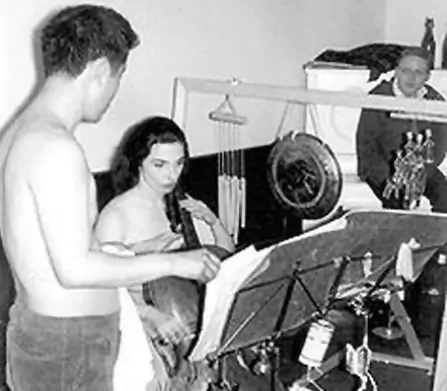
Musica Nova vẫn kiên trì hoạt động, giới thiệu các tác phẩm của những nhà soạn nhạc trẻ người Iceland như Jón Ágeirsson, Leifur Þórarinsson, Fjölnir Stefánsson, Magnús Blöndal Jóhannsson và Þorkell Sigurbjörnsson đến với công chúng và giới phê bình, những người vẫn còn giữ thái độ hoài nghi.
Tháng 5 năm 1965, một bài báo trên Morgunblaðið, tờ báo được đọc rộng rãi nhất tại Reykjavík, thông báo về một buổi hòa nhạc của Musica Nova với sự tham gia của nhà soạn nhạc kiêm nghệ sĩ piano Nam June Paik và nữ nghệ sĩ cello người Mỹ Charlotte Moorman. Bài báo đề cập đến nền tảng chuyên môn đáng nể của Moorman với tư cách một cựu sinh viên xuất sắc của Juilliard, còn bức ảnh minh họa cho thấy bà đang chơi cello trong một chiếc váy trắng, trong khi Paik ngồi trầm ngâm bên cây đại dương cầm.
Mặc dù bài viết cho biết cặp nghệ sĩ sẽ có sự hỗ trợ của Robot 456 và hứa hẹn mang đến “thứ âm nhạc mới mẻ và kỳ lạ”, nhưng không có gì thực sự chuẩn bị cho độc giả trước màn trình diễn Fluxus toàn diện mà Paik và Moorman đã chuẩn bị tại Lindarbær, một khán phòng nhỏ ở Reykjavík. Nhà soạn nhạc Atli Heimir Sveinsson và Dieter Roth là những người đã tác động để Musica Nova mời họ đến biểu diễn.
Sau buổi hòa nhạc, một bài báo khác xuất hiện với tiêu đề “Những trò hề của chú hề tại Lindarbær”. Tuy nhiên, phần nội dung lại có giọng điệu khá kiềm chế:
“Người Hàn Quốc chơi piano với một chiếc núm vú giả trong miệng, bôi bọt lên người, vùng vẫy trong một chậu nước đầy và uống nước từ chiếc giày của mình… Người phụ nữ chơi cello rồi trèo vào một chiếc thùng và biến mất trong đó. Một lúc sau, cô ấy bước ra khỏi thùng trong tình trạng ướt sũng và bắt đầu chơi piano trở lại. Đến lúc đó, người Hàn Quốc tụt quần ngay trên sân khấu, ngồi xuống ghế và từ từ xoay tròn trong khi âm nhạc được phát từ băng ghi âm. Nhiều người đã rời đi trước khi chương trình đến phần này, nhưng khi cảnh khỏa thân bắt đầu, nhiều người khác lập tức lao ra cửa.”
Những bức ảnh đi kèm cho thấy Moorman đang trèo vào chiếc thùng, còn Paik, lúc đó vẫn mặc đầy đủ quần áo, xuất hiện bên cạnh Robot 345. Bài báo kết thúc một cách đơn giản: “Vé vào cửa cho buổi trình diễn khác thường này có giá năm mươi kronur.”
Tuy nhiên, sự điềm tĩnh trong giọng điệu của bài báo lại hoàn toàn trái ngược với mức độ dữ dội của vụ bê bối khi câu chuyện lan rộng khắp thành phố. Musica Nova trở thành đối tượng chế giễu, và các thành viên của hiệp hội cảm thấy công sức kiên trì suốt năm năm nhằm từng bước giới thiệu những nhà soạn nhạc đương đại đến với những người yêu âm nhạc Iceland có nguy cơ bị phá hủy chỉ trong vài ngày.
Cuối cùng, họ đã phải đưa ra một tuyên bố, trong đó giải thích rằng buổi hòa nhạc là một “sự cố không thể lường trước”. Tuyên bố nhấn mạnh rằng hành vi của những vị khách mới nhất hoàn toàn không liên quan đến mục tiêu của Musica Nova. Nội dung này sau đó được đăng trên Morgunblaðið và nhiều nhật báo khác tại Reykjavík.
Những khởi đầu có phần nhếch nhác này thường được nhắc đến như lần đầu tiên người Iceland được tiếp xúc với “Nghệ thuật Mới” của Fluxus, nghệ thuật ý niệm và trình diễn đa phương tiện. Trong vài năm tiếp theo, loại hình nghệ thuật mới này thực sự bắt đầu bén rễ tại Iceland với sự xuất hiện của những nghệ sĩ như Magnús Pálsson, Sigurdur Gudmundsson, Kristjan Gudmundsson và Hreinn Friðfinnsson.
Trong thập niên 1970, Iceland chứng kiến một dòng chảy đều đặn của các cuộc triển lãm, hòa nhạc và trình diễn do những nghệ sĩ nước ngoài thực hiện, được khuyến khích và hỗ trợ bởi Dieter Roth cùng thế hệ nghệ sĩ Iceland trẻ hơn, những người từng học tập ở nước ngoài và đã xây dựng được các mối quan hệ riêng của mình tại đó.
Nhưng vào tháng 5 năm 1965, tất cả những điều này vẫn còn là quá sức đối với người dân Reykjavík, những người khi ấy vẫn đang vật lộn để làm quen với thơ tự do và hội họa phi hình tượng.