
“Các nghệ sĩ lúc nào cũng đang làm những điều tưởng như không thể, tạo ra những thứ có giá trị lớn dù không có bất kỳ nguồn lực nào. Tôi có thể nói rằng mình đã tạo ra những thứ có giá trị, có lẽ vậy, mà gần như chẳng tốn đồng nào. Tôi nghĩ đó chính là thiên tài của người nghệ sĩ.”
Nhận xét này, trích từ cuộc phỏng vấn Magnús Pálsson do Catrina Heden thực hiện năm 1994, không chỉ phản ánh hoàn cảnh tài chính của người nghệ sĩ mà còn cho thấy quyết tâm của ông trong việc tìm kiếm vẻ đẹp và ý nghĩa từ những vật thể cũng như hoàn cảnh giản dị; tránh sự phô trương và trao cho người xem hình thức biểu đạt đơn giản nhất của các ý tưởng, thường được tạo nên từ gần như không có gì. Thay vì tồn tại vì chính bản thân nó, tác phẩm được để cho tự khơi gợi ý nghĩa và làm phong phú thêm tâm trí người xem.
Nhiều tác phẩm của ông vốn mong manh và mang tính tạm thời, đến nay chỉ còn tồn tại qua những bức ảnh, còn một số khác đã hoàn toàn thất lạc. Trình diễn cũng là một phần nổi bật trong sự nghiệp sáng tác của ông, đôi khi được ghi lại bằng phim hoặc video, đôi khi thì không. Dẫu vậy, mỹ học của ông có lẽ là một trong những ảnh hưởng lớn nhất đối với sự phát triển của nghệ thuật Iceland trong ba hoặc bốn thập niên gần đây, thông qua các triển lãm, tác phẩm trình diễn cũng như công việc giảng dạy và hỗ trợ những nghệ sĩ trẻ hơn.
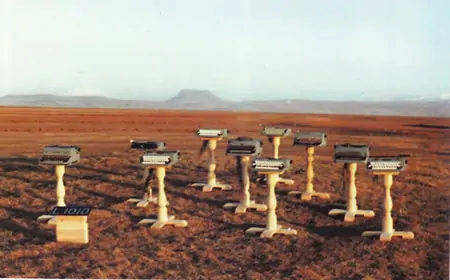
“Một trường nghệ thuật tốt có thể đào tạo ra bất kỳ số lượng nghệ sĩ giỏi nào. Trong đó có thể có rất nhiều yếu tố tình cờ, nhưng một số hoàn cảnh quan trọng đã được tạo nên không nhất thiết bởi một cá nhân nào đó, mà bởi chính hoàn cảnh, tại một thời điểm nhất định. Có những con người, có lẽ chỉ do tình cờ, lại xuất hiện đúng vào một thời điểm và trong một tình huống bùng nổ nhất định, nơi có tiềm năng tạo nên nghệ thuật hoặc tạo nên nghệ sĩ. Một hoàn cảnh có khả năng khơi dậy sức sáng tạo trong những người tình cờ có mặt ở đó. Tất nhiên, họ cũng cần có một năng lực tinh thần nhất định để có thể hưởng lợi từ hoàn cảnh ấy.
“Khi cảm giác về tình bạn giữa con người biến mất khỏi nghệ thuật, một điều gì đó cũng bị mất đi… Tuy vậy, chúng ta không thể loại trừ khả năng có những người tự cô lập mình, những người không thể hoặc không muốn tham gia vào dạng hợp tác trao đổi ý tưởng và cảm hứng sáng tạo này. Tuy nhiên, những người xuất sắc nhất trong số họ dĩ nhiên lại rất hào phóng, bởi nếu họ tạo ra tác phẩm trong sự cô lập thì họ vẫn trao chúng ra bên ngoài một cách hết sức rộng lượng. Nhưng các nghệ sĩ lại quá dè sẻn trong việc đưa ra nhận xét và lời khen dành cho tác phẩm của nhau.”
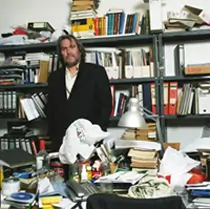
Sinh năm 1929 tại miền Đông Iceland, Magnús Pálsson theo học thiết kế sân khấu và mỹ thuật vào đầu những năm 1950, sau đó trở thành một thành viên tích cực trong phong trào tiên phong còn đang ở giai đoạn sơ khai của Iceland. Ông hợp tác với các nhóm sân khấu thể nghiệm cũng như nhiều nghệ sĩ khác, chẳng hạn Dieter Roth, và sau đó là nhóm nghệ sĩ trẻ SÚM được thành lập vào năm 1965.
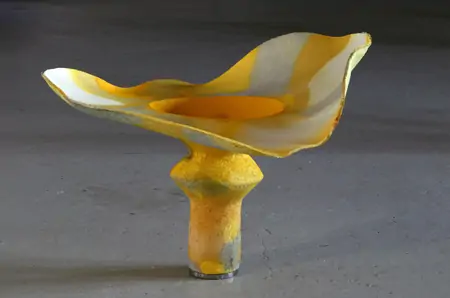
Triển lãm cá nhân đầu tiên của ông diễn ra vào năm 1967, tại đó ông trưng bày những phần thân người rỗng được làm từ giấy, keo và sơn, bên cạnh các tác phẩm bằng thạch cao. Thạch cao trở thành chất liệu ông ưa dùng trong nghệ thuật tạo hình vào cuối thập niên 1960 và đầu thập niên 1970, khi ông tập trung đúc những đối tượng “bất khả thi”, chẳng hạn như những khoảng trống giữa các vật thể.
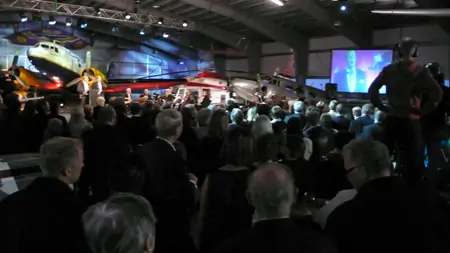
Có lẽ tác phẩm nổi tiếng nhất thuộc loại này là một khối đúc của khoảng không gian nằm giữa ba bánh của một chiếc trực thăng và bãi đáp của nó, chỉ vài giây trước khi chiếc trực thăng thực sự chạm đất. Tác phẩm này được thực hiện vào năm 1976 và xuất hiện tại Venice năm 1980, khi Magnús đại diện Iceland tại Biennale.
Trong cuộc trò chuyện với nhà phê bình Ólafur Gíslason, Magnús giải thích cách tiếp cận của mình như sau:
“Vật chất trong nghệ thuật càng ít thì nghệ thuật càng trở nên cao quý, và khi nó từ lâu đã không còn nhìn thấy được nữa, ngoại trừ dưới dạng ký ức về nghệ thuật, thì đó là lúc nó đạt đến trạng thái tốt nhất… Bước tiếp theo là nghệ thuật trở thành đơn thuần âm thanh hoặc mùi hương, những hiện tượng dù vậy vẫn có thể nhìn thấy và mang tính thị giác trong tâm trí. Theo cách đó, âm thanh có hình thức và cũng là một hình ảnh. Theo nghĩa này, không có sự khác biệt giữa các ngành nghệ thuật khác nhau. Tất cả đều là một. Âm nhạc và văn bản viết đều có hình ảnh, còn nghệ thuật thị giác cũng có âm thanh, và cuối cùng thì tất cả đều là cùng một thứ và tuân theo những quy luật giống nhau.”
Reykjavík Art Museum đã tổ chức một triển lãm hồi cố quy mô lớn về nghệ thuật của Magnús vào năm 1994 và đồng thời xuất bản một catalogue, cho đến nay vẫn là tài liệu tổng quan tốt nhất về sự nghiệp sáng tác của ông.
Nguồn: Art News