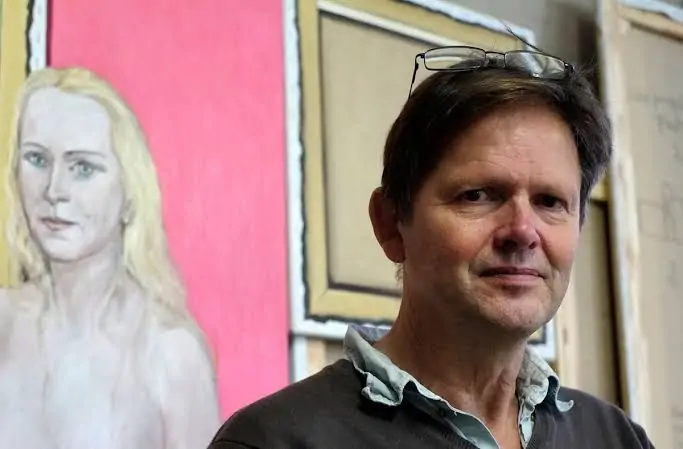

Birgir Andrésson qua đời vào tháng 10 năm ngoái, khi mới chỉ 55 tuổi. Dù vậy, ông vẫn phải được xem là một trong những nghệ sĩ Iceland có năng suất sáng tác nổi bật nhất trong thế hệ của mình. Sự nghiệp nghệ thuật của ông chỉ kéo dài khoảng ba thập niên, nhưng trong quãng thời gian đó ông đã tổ chức hàng chục triển lãm cá nhân và tham gia nhiều triển lãm nhóm đến mức có lẽ chính ông cũng khó nhớ hết.
Toàn bộ sự nghiệp sáng tác của Birgir có một tính nhất quán đáng chú ý – một quá trình triển khai rõ ràng và chi tiết đối với các đề tài cũng như cách tiếp cận hình thức của riêng ông. Tác phẩm của ông luôn vừa đổi mới vừa dễ tiếp cận, trực diện nhưng vẫn có nét hài hước, giống như một phép so sánh bất ngờ trong thơ bỗng khiến ngay cả một chủ đề quen thuộc nhất cũng hiện ra dưới một ánh sáng mới.
Birgir cũng được đánh giá rất cao về nghệ thuật. Chỉ một năm trước khi ông qua đời, National Gallery of Iceland đã tổ chức một triển lãm hồi cố về tác phẩm của ông, và ngay từ năm 1995 ông đã được cử đại diện Iceland tại Venice Biennale. Năm ngoái, ông được đề cử cho Icelandic Visual Arts Award và gần như chắc chắn rồi cũng sẽ giành giải này trong tương lai gần nếu còn sống. Birgir thuộc về lớp tiên phong trong thế hệ của mình, nhưng nghệ thuật của ông lại mang một dấu ấn hoàn toàn riêng biệt.
Triển lãm đầu tiên của Birgir mà tôi từng viết về diễn ra tại Gallery 11 ở Reykjavík vào năm 1994, với tiêu đề Newly Found Lands. Ông trưng bày một số bản đồ địa hình Iceland bằng thạch cao, vẫn giữ đường viền quen thuộc của đất nước nhưng làm thay đổi cảnh quan bên trong: đột nhiên, một chuỗi núi xuất hiện trên vùng đồng bằng của bờ biển phía nam, trong khi khu vực Western Fjords vốn nhiều núi lại trở nên bằng phẳng.
Tôi luôn cảm thấy triển lãm nhỏ này thể hiện đặc biệt rõ cách Birgir tiếp cận đề tài. Chỉ bằng những thao tác đơn giản nhất, mọi thứ đã được biến đổi. Nghệ sĩ Scotland Mark Boyle từng nói rằng cách hiệu quả nhất để biến đổi môi trường xung quanh là thay đổi góc nhìn của chính mình về nó. Điều đó chắc chắn được chứng minh trong tác phẩm của Birgir.
Khả năng vẽ và tổ chức bố cục đến với ông một cách khá tự nhiên ngay từ thời niên thiếu. Ông cũng là một người làm việc rất có tổ chức và có đủ kiên nhẫn để thực hiện tác phẩm một cách tỉ mỉ, đồng thời trình bày chúng trong điều kiện tốt nhất có thể.
Đối với nhiều người bước vào trường nghệ thuật trong những năm 1970, những năng lực như vậy lại trở thành trở ngại hơn là lợi thế, khi nghệ thuật ý niệm và trình diễn bắt đầu chiếm ưu thế, còn việc vẽ đẹp hay thậm chí quan tâm đến những kỹ năng như vậy bị xem là gần như lỗi thời. Birgir không có những định kiến như thế và dường như đã tích hợp các phương pháp, cách tiếp cận mới vào thực hành của mình một cách hết sức tự nhiên.
Ông có con mắt nhạy bén đối với các khía cạnh hình thức và thị giác của môi trường xung quanh, nhưng ít quan tâm hơn tới những tiền lệ hay tham chiếu trong lịch sử nghệ thuật. Thứ lịch sử thu hút ông lại là một biểu hiện rất đặc trưng của Iceland, chủ yếu được truyền qua lời kể và được lưu giữ trong những câu nói, mô tả tính cách, biệt danh và những chi tiết vụn vặt của ngôn ngữ.
Chân trời thị giác của dạng lịch sử này hiếm khi giao nhau với lịch sử nghệ thuật đã được thiết lập. Thay vào đó, nó được đọc từ những hình ảnh thông thường và các đồ vật gia dụng, từ tất cả những chi tiết tưởng như không đáng kể mà mỗi thế hệ để lại. Birgir kiên nhẫn phân tích và ghi lại nhiều khía cạnh của một lịch sử văn hóa gần như đã thất lạc này.
Ông trưng bày những bản vẽ về các địa điểm khảo cổ và những bức ảnh cũ của những người lang thang, những nhân vật lập dị đã qua đời từ lâu; ông lập danh mục thứ mà mình gọi là “Icelandic Colours”, vẽ lại những con tem bưu chính cũ và cho đan quốc kỳ Iceland bằng len không nhuộm màu, trong đó chính màu tự nhiên của lông cừu thay thế cho ba màu đỏ, trắng và xanh thông thường.
Vì vậy, đề tài trong tác phẩm của ông phần lớn mang tính rất Iceland, hoặc ít nhất có liên hệ đến những chủ đề cụ thể mang tính “quốc gia”, nhưng cách xử lý lại tập trung vào hình thức và cấu trúc. Ông bóc tách những cấu trúc hình thức đơn giản và các bảng màu nằm bên dưới những hình ảnh vốn chứa đầy cảm xúc, qua đó cho thấy hiệu quả của chúng có thể liên quan nhiều hơn đến sức mạnh của cách trình bày thị giác nói chung hơn là nội dung được cho là chứa đựng bên trong.
Theo cách đó, ông làm tan rã những biểu tượng vốn được dùng để giải thích bản sắc dân tộc Iceland cho chính người Iceland, và từ đó tìm ra một phương pháp giúp ông mở rộng và đào sâu nghiên cứu của mình.
Birgir hoàn toàn biết rằng mình là một nghệ sĩ giỏi, nhưng ông lại rất khiêm tốn khi nói đến bối cảnh nghiên cứu và học thuật mà ông khai thác để xây dựng tác phẩm. Trong phần mở đầu cuốn sách năm 1991 của mình về những người lang thang vào thời điểm chuyển giao thế kỷ, ông viết:
“Cần nhấn mạnh rằng đây không phải là một công trình nghiên cứu lịch sử, mà chỉ là một nỗ lực yếu ớt của một nghệ sĩ nhằm chiếu một chút ánh sáng mờ nhạt lên nền tảng đa dạng mà từ đó cái gọi là văn hóa Iceland đã hình thành.”
Tuy nhiên, phần lớn thời gian, thứ “ánh sáng yếu ớt” ấy lại làm hiện lên những đặc điểm mới và bất ngờ của đề tài, những góc nhìn mới, những màu sắc mới. Không có gì ngẫu nhiên trong cách ông tiếp cận, và nhiều chủ đề liên tục xuất hiện trở lại trong tác phẩm của ông. Mỗi triển lãm mới giống như một bản báo cáo nghiên cứu, và việc theo dõi cũng như chia sẻ những nghiên cứu rộng lớn ấy là một niềm vui.
Một trong những chủ đề đó là những con tem bưu chính Iceland từ đầu thế kỷ 20, với hình ảnh thác nước, mạch phun nước nóng và Maid of the Mountains – hiện thân nữ tính đã được xác lập của đất nước và con người Iceland – cùng với các họa tiết trang trí bao quanh nhằm gợi lại thời kỳ hoàng kim của khối thịnh vượng chung Iceland thời Trung Cổ. Toàn bộ hình ảnh được chia cẩn thận thành các phần trên mặt tem, một số chứa hoa văn trang trí, số khác chứa chữ viết.
Ngay từ năm 1985, Birgir đã sao chép và vẽ lại những con tem này, làm chúng tan ra thành một lớp mờ kiểu chấm điểm, trước hết trong các bản vẽ đen trắng và sau đó là các bức tranh nhiều màu. Trong hội họa, cách xử lý này khiến hình ảnh gần như không còn đọc được, cũng giống như thứ hoài niệm tôn sùng anh hùng vốn đã truyền cảm hứng cho chính những hình ảnh ban đầu ấy.
Những bức tranh trở thành biểu tượng của khoảng cách lịch sử và những khó khăn mà bất kỳ ai cố gắng tái chiếm lại quá khứ đều phải đối mặt.
Năm 1986, Birgir đưa chủ đề này đi xa hơn nữa khi trưng bày một loạt tủ có nhiều cánh cửa và ngăn nhỏ, tái tạo một cách cẩn thận cấu trúc hình thức của những con tem, để mỗi phần trên tem đều tương ứng với một cánh cửa riêng.
Về mặt hình thức, những chiếc tủ này là sự tái tạo chính xác các cấu trúc trên tem, nhưng hoàn toàn không còn nội dung biểu tượng của chúng: không còn hình ảnh những kỳ quan thiên nhiên độc đáo, không còn họa tiết trang trí hay chữ viết.
Trong những tác phẩm này, cũng như trong phần lớn nghệ thuật của Birgir, các chủ đề mang tính quốc gia được xử lý bằng những phương pháp tối giản vốn tự thân không thuộc về một quốc gia nào hay mang tính quốc tế, không mang ý nghĩa cụ thể và trên thực tế loại bỏ toàn bộ nội dung biểu tượng.
Nội dung trong những cấu trúc “quốc gia” này bị giấu sau các cánh cửa đóng kín, và tất nhiên, nếu mở cửa ra thì phần tủ phía sau lại hoàn toàn trống rỗng.
Sự hài hước lạnh lùng, cùng góc nhìn mỉa mai mang tính phơi bày ấy, là vũ khí sắc bén nhất trong kho công cụ của Birgir. Trong nghệ thuật, ông dùng nó để phá vỡ những định kiến đã được thiết lập về lịch sử và việc lặp lại một cách thiếu phê phán các khuôn sáo liên quan đến nguồn gốc cũng như những biểu tượng của bản sắc dân tộc.
Giống như phần lớn các quốc gia phương Tây, người Iceland chúng ta thừa hưởng những biểu tượng này và thế giới quan mà chúng phản ánh từ thế kỷ 19. Maid of the Mountains là chị em với Britannia, Marianne của Pháp và Germania – cả một loạt những nữ thần biểu tượng xuất hiện trong thời kỳ đó nhằm đại diện cho mối liên kết không thể phá vỡ giữa con người và đất đai.
Cách thể hiện của những hình tượng này và các cấu trúc hình thức mà Birgir nghiên cứu phản ánh các hệ tư tưởng tân cổ điển của thời đại đó. Tất nhiên, những cấu trúc hình thức tương tự không chỉ xuất hiện tại Iceland mà còn ở tất cả các quốc gia láng giềng – chúng bắt nguồn từ cùng một nguồn và, nếu truy ngược xa hơn, có thể trở lại tận thời cổ đại.
Những biểu tượng dân tộc được trân trọng nhất hóa ra lại chẳng hề mang tính riêng biệt như người ta tưởng, và đây chính là điều Birgir làm nổi bật trong các tác phẩm của mình, biến những khuôn sáo đời thường và những câu đùa địa phương thành nghệ thuật.
“Icelandic Colours” là một trong những chủ đề kỳ lạ và mâu thuẫn nhất trong nghệ thuật của Birgir, và cũng giống như nhiều chủ đề khác của ông, nó liên tục xuất hiện trở lại trong những bối cảnh khác nhau.
Trong các bức tranh văn bản của ông, chữ xuất hiện trên một nền màu đơn sắc, với chú thích ở góc ghi rõ: “Colours: Icelandic Pantone 173, Icelandic Pantone 533.”
Ban đầu, có lẽ đây chỉ đơn giản là một kiểu mỉa mai đặc trưng, nhằm chế giễu những xu hướng giả dân tộc trong trang trí nội thất. Tuy nhiên về sau, những màu sắc này dần trở thành một dạng chữ ký mà Birgir có thể dùng để đặt dấu ấn của mình lên gần như bất kỳ chủ đề nào ông lựa chọn.
Chúng bắt đầu vận hành gần giống những con dấu làm sẵn mà các nghệ sĩ Fluxus từng tạo ra và sử dụng để kết nối những tập hợp vật thể và ghi chú mang tính pha trộn của họ. Nhưng “Icelandic Colours” của Birgir cũng phản ánh sự quan tâm thực sự và quá trình nghiên cứu kỹ lưỡng của ông về màu sắc cũng như ý nghĩa của chúng trong từng bối cảnh.
Hai năm trước, Birgir đã nhờ tôi viết về màu xanh cho một cuốn sách mà ông dự định thực hiện, đồng thời bảo tôi cứ từ từ vì ông biết đó sẽ là một nhiệm vụ khó.
Hạn chót ấy đã đến quá sớm.
Một phiên bản tiếng Iceland của bài viết này đã được đăng trên tạp chí Herðubreið vào tháng 11 năm 2007.
Biên soạn bởi đội ngũ Artnews Iceland