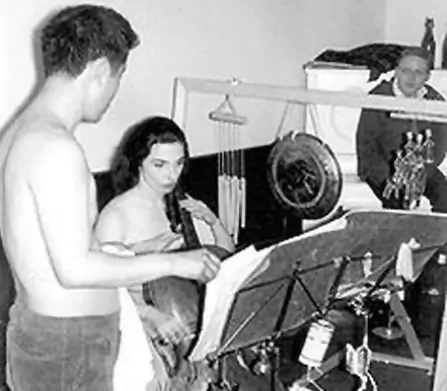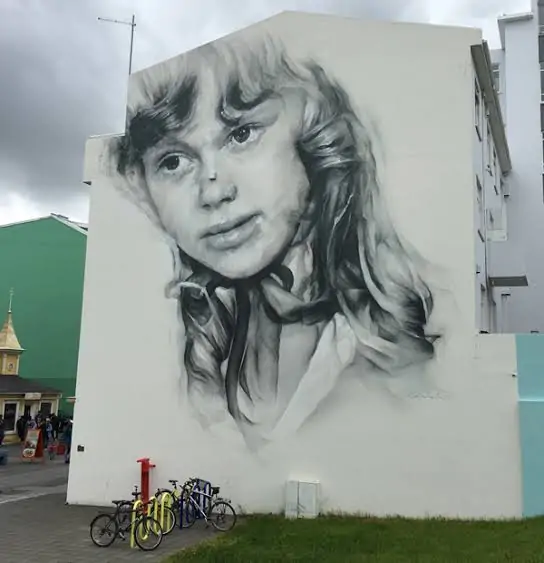

Hành động trình diễn với cơ thể đầu tiên của Carolee Schneemann được thực hiện trong không gian riêng tư, với mục đích rõ ràng là tạo ra những bức ảnh do người bạn của bà, nghệ sĩ Iceland Erró, chụp lại. Cho đến nay, những bức ảnh ấy vẫn thường được xem là một trong những hình ảnh thị giác đầu tiên góp phần hình thành hệ từ vựng của một ngôn ngữ tiên phong mang tính nữ quyền một cách công khai. Đó là vào đầu những năm 1960. Nhân dịp Experiment Marathon tại Liên hoan Nghệ thuật Reykjavík, Carolee trở lại Iceland. Christian Schoen đã trò chuyện với bà vào ngày 16 tháng 5.
Bà từng đến Iceland vào những năm 60. Điều gì đã đưa bà tới đây?
Carolee Schneemann: Năm 1964. Iceland đã hoàn toàn thay đổi cuộc đời tôi thông qua việc tôi gặp Erró ở New York vào năm 1963. Anh ấy trở thành cộng sự của tôi trong chuỗi biến đổi cơ thể mà tôi đã muốn thực hiện. Và anh ấy là một trường hợp rất khác thường đối với một nghệ sĩ nam, bởi anh ấy hoàn toàn ủng hộ tôi; anh ấy không hề có chút thái độ kỳ thị phụ nữ nào. Hoàn toàn không. Anh ấy chưa bao giờ tỏ vẻ bề trên; anh ấy là một người đồng nghiệp tốt, chỉ đơn giản nói rằng: “Ừ, chúng ta làm đi.” Theo một cách nào đó, anh ấy trở thành một nàng thơ đầy sức mạnh của tôi — tôi không nghĩ anh ấy sẽ thích cách gọi đó — nhưng chính anh ấy là người luôn khích lệ tôi một cách trọn vẹn. Người bạn đời của tôi lúc ấy cũng vậy, nhưng Erró thuộc về thế giới nghệ thuật, còn bạn đời của tôi là một nhạc sĩ, một nhà soạn nhạc. Vì thế, đây thực sự là một tập hợp những sự xác nhận rất khác thường, và tôi đã đi sâu vào tâm thức của mình hết mức có thể với Eye Body, chuỗi tác phẩm trong đó tôi hòa trộn cơ thể mình với các vật liệu collage và để anh ấy chụp lại.
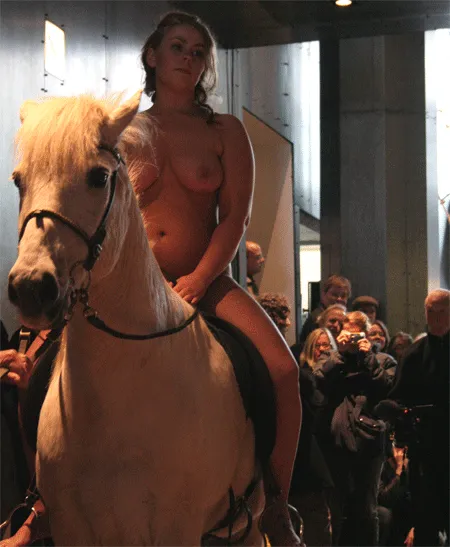
Vào thời điểm đó, dường như đang có một điều gì đó quan trọng xảy ra với việc một người phụ nữ đưa cơ thể mình vào tác phẩm, để cô ấy đồng thời vừa là đối tượng vừa là người tạo ra đối tượng. Nhưng việc ấy lại bị xem là lố bịch. Tôi đã cho một số giám tuyển quan trọng xem chuỗi tác phẩm đó, và tất cả họ đều nói: “Đây là thứ rác rưởi.” Họ đều là đàn ông và phán xét vô cùng khắc nghiệt: “Nếu cô muốn vẽ thì hãy vẽ; nếu cô muốn chạy loanh quanh khỏa thân thì đừng ở trong thế giới nghệ thuật.”
Cùng lúc đó, Erró vẫn một mực nói: “Bây giờ cô phải đến Paris và làm việc với Jean-Jacques Lebel cho Festival of Free Expression của ông ấy.” Khi ấy tất cả mọi người đều khoảng hai mươi bốn tuổi; đầy một thứ can đảm mù quáng. Erró cứ nói rằng chuyện này thực sự quan trọng. Tôi bắt đầu có những hình ảnh và giấc mơ về Paris như một tầng mức khác của sự cho phép mang tính nhục cảm dành cho những hình ảnh của tôi về cơ thể và vật liệu. Đó là một nguồn cảm hứng đầy ngây thơ. Tôi không có tiền. Arman lúc đó đã mua một tác phẩm cấu trúc rất quan trọng của tôi với số tiền đúng đến từng xu bằng giá một vé máy bay khứ hồi của hãng hàng không Iceland. Không hơn lấy năm đô la! Thế là tôi mua được vé; Arman mang đi tác phẩm tuyệt đẹp ấy, một chiếc hộp động hiếm có, về sau đã bị phá hủy trong căn hộ của anh ấy ở Paris.
Tôi viết thư cho Jean-Jacques; tôi biết ông ấy, vì trước đó tôi đã từng tùy hứng tổ chức một liên hoan thơ cho ông ấy ở Living Theatre. Nhưng ông ấy chưa bao giờ nghĩ rằng tôi thực sự sẽ xuất hiện. Với tấm vé và sự cổ vũ của Erró, tôi đến Paris. Tôi không có tiền; cha tôi có đưa cho tôi một ít tiền Pháp, nhưng hóa ra đó là tiền từ Martinique, nên hoàn toàn vô dụng, và tôi đã đứng ở sân bay mà khóc! Khi đó đã khuya, còn Jean-Jacques chỉ muốn tập trung vào liên hoan, chứ không muốn bận tâm đến cô gái điên rồ này. Nhưng tôi vẫn xuất hiện; tình hình rất căng thẳng; Erró cũng ở đó và anh ấy đã giúp mọi chuyện trở nên suôn sẻ, rồi sau đó tất cả những kế hoạch của chúng tôi đều phát triển thuận lợi.
Tình bạn với người Iceland đã hoàn toàn thay đổi cuộc đời tôi, bởi vì tôi đã có thể trình diễn tác phẩm Kinetic Theatre Meat Joy (1964). Nó gây ra một vụ bê bối và đồng thời là một thành công lớn! Đột nhiên, tất cả những nguyên tắc mà tôi từng mơ tưởng đều được đưa vào thực tế, và tại Paris, chúng được đón nhận một cách nồng nhiệt. Khán giả thật phi thường. Man Ray khi ấy vẫn còn sống; Ionesco cũng có mặt. Duchamp đã xem tác phẩm và nhắc đến nó trong một cuốn sách như là thứ bừa bộn nhất mà ông từng thấy ở Pháp! Jean-Jacques đã tổ chức nên một liên hoan phi thường bất chấp mọi trở ngại. Và Erró luôn có mặt ở đó, quảng bá, kích động, và nói: “Ừ, chuyện này có thể xảy ra!”
Lần đầu tiên bà đến Iceland có phải là một khoảng thời gian dài không?
Không, chỉ là vài ngày dừng lại vào năm 1964 trên đường đến Paris. Và tôi đã gặp Dieter Roth. Có lẽ là khoảng một tuần; mọi người đưa tôi đi khắp nơi, tôi đã thấy khá nhiều Reykjavík. Dieter khi ấy vẫn sống trong một gara và đang làm những thứ vô cùng đặc biệt, dày đặc, kỳ lạ, gồm chữ nghĩa và vật liệu. Và tất nhiên đó là một thời điểm trước khi bất kỳ ai trong chúng tôi được phát hiện như một phần của nền văn hóa mang tính biến đổi, nên tất cả rất ngọt ngào và ngây thơ, và người ta liên tục đưa bạn đi gặp nhau. Ở Paris, tôi được đưa tới gặp Jean-Claude và Christo — họ sống trong một căn phòng khách sạn chỉ lớn ngang một phòng tắm. Tôi gặp Daniel Spoerri và anh ấy cũng sống trong một nơi bé xíu. Và tất cả mọi người đều làm việc với rác và đồ phế thải — thứ họ đang làm về sau sẽ được gọi là arte povera. Mọi thứ rất linh hoạt, vừa ngọt ngào vừa cay đắng. Ở ngoài những rìa biên.
Và Iceland thì hoàn toàn phi thường, với những suối nước nóng, cảnh quan trơ trụi, những con ngựa, và việc động vật hiện diện trong ý thức thường nhật về nơi bạn đang sống. Điều đó thật tuyệt vời. Một ngôn ngữ không thể xuyên thấu. Chúng tôi ăn rất nhiều cá.
Thật đáng kinh ngạc khi trở lại đây, và cũng có phần đáng sợ khi nhìn thấy quá trình hiện đại hóa, sự đồng nhất hóa trong kiến trúc và cấu trúc. Tôi thực sự không nhận ra bất kỳ nơi nào mà ngày trước tôi từng đi bộ qua — các hiệu sách, những cửa hàng nhỏ bán đồ thủ công, cả khu phố cổ. Tôi phải thử tìm lại nó.
Tôi sống trong rừng ở vùng thượng New York, trong một căn nhà bằng đá và gỗ được xây từ năm 1750. Chủ nghĩa thần bí nông thôn ở đó rất sâu sắc, nhưng mang tính riêng tư, bởi vì thế giới nghệ thuật của tôi xem nó là thứ thấp kém. Nó quá mong manh đối với nền văn hóa của tôi. Nhưng chính điều đó thúc đẩy tác phẩm và mang lại cho nó một thứ tính cận kề kỳ lạ khi người xem tiếp xúc với một khía cạnh nào đó của cái bất khả giải, cái siêu nhiên, hoặc những nghiên cứu nền tảng của tôi về lịch sử cổ xưa. Tất cả các tác phẩm đều phát triển từ những nghiên cứu kỳ lạ này về các nền văn hóa khác. Nhưng chúng ta phải cảnh giác với những con troll và yêu tinh, bởi vì chúng khiến chúng ta phân tâm khỏi những vấn đề nghiêm trọng hơn, và khỏi cách mà những vấn đề ấy cần phải được đối diện. Không phải giải quyết, mà thực sự phải suy nghĩ về chúng. Đó là những vấn đề nền tảng nằm dưới mọi sự suy thoái bao quanh bất cứ điều gì mong manh, được tưởng tượng ra, mãnh liệt, mang tính nhân văn. Vì vậy, thật khó khăn khi ở Reykjavík và nhìn thấy sự thương mại hóa này, hay cái cảm giác phổ quát rằng không gian có thể bị chiếm đoạt như thế nào. Dường như đối với con người, phá hủy những truyền thống lịch sử tốt đẹp nhất của chính mình lại được coi là tiến bộ.
Khi tôi chuyển đến Iceland, tôi nhận ra rằng tất nhiên ở đây có một lịch sử kéo dài ngược về tận thế kỷ thứ chín, nhưng lại không có một lịch sử được vật chất hóa. Không có những tòa nhà, không có nhà thờ mà ta có thể bước vào, cũng không có những bức tranh để ta ngắm nhìn và cảm nhận về quá khứ. Mọi kết nối lịch sử đều thông qua lời nói — lịch sử truyền miệng. Điều đó chẳng phải khá độc đáo sao?
Khi học cao học tại Đại học Illinois, những người bạn thân nhất của chúng tôi là một nhà soạn nhạc Iceland, Þórkell Sigurbjörnsson, và vợ ông ấy, Barbara. Ông ấy dạy chúng tôi về những truyền thống của đất nước mình và đọc các saga cho chúng tôi nghe. Tôi là một người theo chủ nghĩa nữ quyền sơ khai, và truyền thống Iceland về những người phụ nữ quyền lực cùng các Nữ thần đã mở ra một mối liên hệ văn hóa quan trọng mà tôi đang cố gắng tìm kiếm trong lịch sử. Điều đó tạo nên một cảm nhận về Iceland như thể nơi này có khả năng tích hợp một sự bình đẳng giới đầy mạnh mẽ vào cấu trúc xã hội của mình, ít nhất là vào những năm 60, dựa trên những gì Þórkell đã dạy chúng tôi. Rằng đó là một quốc gia xã hội chủ nghĩa, rằng phụ nữ hoạt động bình đẳng, rằng người trẻ sẽ được gia đình dành cho một phần của ngôi nhà để họ có thể sống độc lập, rằng đó là một truyền thống khi họ bước sang tuổi mười bảy hoặc mười tám. Tất cả những điều ấy dường như vô cùng đáng kinh ngạc và hợp lý.
Nhưng rồi bạn nhìn thấy sự trớ trêu khủng khiếp này đối với thiên nhiên, như thể thiên nhiên phải được biến thành một phần không phải của cái cao cả mà là của cái mỉa mai. Đó là lập trường hậu hiện đại nơi người ta buộc phải đánh lạc hướng cảm xúc thực sự; cảm xúc không thể được tin cậy, nó chỉ có thể bị lấn át hoặc bị hấp thụ vào chủ nghĩa vật chất, vào một sự khai thác mang tính thực dụng. Vì thế, trong khá nhiều tác phẩm ở đây, vốn là một phần của liên hoan này, sự chia tách đó vẫn còn tồn tại. “Đừng mong tác phẩm của tôi tiếp tục những truyền thống cũ kỹ, nhàm chán về việc quy ước hóa thiên nhiên.” Hoặc là người ta khinh miệt thiên nhiên, hoặc người ta quy ước hóa nó, và tôi muốn biết điều gì đang diễn ra ở khoảng giữa với những yếu tố quyết định sinh thái.
Tôi đã đọc về hội nghị Harbour Cities và nghĩ về việc tổ chức nó khó khăn đến mức nào: thật thú vị khi tổ chức một hội nghị của những mâu thuẫn, và làm thế nào để nó có thể xuyên thấu vào nền kinh tế xã hội tại đây. Nó đã được hấp thụ đến mức nào — hoặc không. Một phần tôi cũng hoài nghi. Tôi nghĩ các nền văn hóa của chúng ta sử dụng nghệ thuật hoặc để rửa tiền, hoặc để tạo ra ảo tưởng rằng một sức sống thẩm mỹ nào đó có thể có một mục đích và chức năng cốt lõi vượt ra ngoài việc giải trí cho chúng ta — ở Hoa Kỳ, đó là một sự đánh lạc hướng khỏi những ý đồ chính trị và tội phạm bị che khuất của chúng ta.
Đó là một trong những câu hỏi then chốt trong bối cảnh đô thị này: ngày nay nghệ thuật có thể đóng vai trò gì? Bởi vì thị trường quá mạnh.
Liệu họ có đang đùa giỡn với chúng ta để chơi trò thị trường hay không? Thực sự có một câu hỏi ở đây: một người có tầm nhìn sẽ đứng ở đâu — à, tôi đang nghĩ đến kiến trúc mang tính viễn kiến, và có Gehry cùng Holl, những người mà tôi hoàn toàn ủng hộ. Nhưng khi tôi nghĩ đến những thử nghiệm có tính chức năng hơn, ít tốn kém hơn, tôi không chắc phải nghĩ thế nào. Và rồi quá nhiều động lực thúc đẩy trong nghệ thuật và kiến trúc lại là những khoản đầu tư quái vật, khoa trương, thống trị, dễ đoán, đang chiếm lấy không gian sống và lịch sử có ý nghĩa.
Biên soạn bởi artnews.is