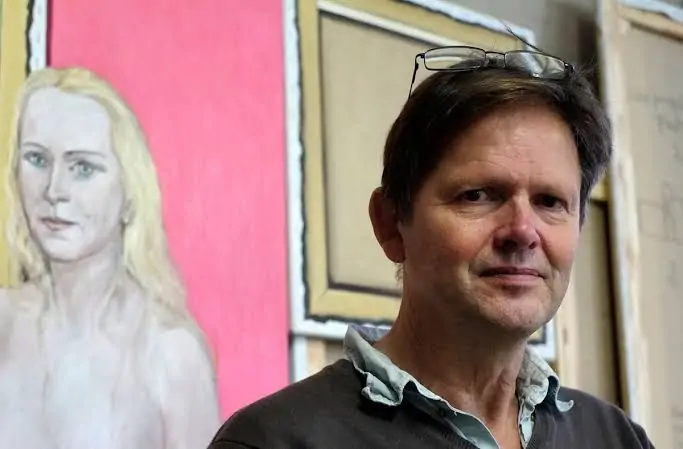

Christian Schoen tại ArtNews
“Harbour City” là một thuật ngữ vừa mang tính mô tả, vừa đồng thời là một thương hiệu. Nó chỉ những điều kiện địa lý đặc thù, đồng thời gợi lên ý niệm về tính quốc tế và tinh thần đô thị cởi mở. Các thành phố cảng từ lâu đã được định hình bởi quá trình công nghiệp hóa, chịu ảnh hưởng sâu sắc của thương mại quốc tế và liên tục phải đối mặt với sức mạnh khó kiểm soát của đại dương và gió biển. Khi các khu công nghiệp của những cảng thương mại dần được di dời khỏi trung tâm thành phố ra các khu vực ngoại vi, những vùng đất ven mặt nước có vị trí đắc địa bắt đầu được giải phóng để phát triển thành các không gian thương mại, kinh doanh, nhà ở và giải trí. Đây là câu chuyện về việc hồi sinh toàn bộ các khu vực đô thị, liên tục tái cấu trúc đời sống thành phố, làm mới sự gắn kết của cá nhân và cộng đồng với môi trường đô thị cũng như bên trong chính môi trường đó, hay nói ngắn gọn: Tái định hình các Thành phố Cảng.
Trong bối cảnh Reykjavík đang phát triển mạnh mẽ với những dự án lớn tại khu cảng cũ, khu vực sân bay nội địa, những thay đổi trong trung tâm thành phố và quá trình mở rộng ra vùng ngoại ô, hội thảo được tổ chức với mục tiêu tập hợp tri thức từ nhiều chuyên gia quốc tế hàng đầu thuộc các lĩnh vực khác nhau có liên quan đến vấn đề này, nhằm đưa Reykjavík tham gia vào một cuộc thảo luận mang tính toàn cầu. Tất nhiên, cuộc trao đổi này một phần liên quan đến kiến trúc, nhưng không kém phần quan trọng là việc xem xét không gian công cộng nói chung. Khi nói về việc định hình không gian công cộng, chúng ta đang bước vào một lĩnh vực gắn liền với trách nhiệm xã hội.
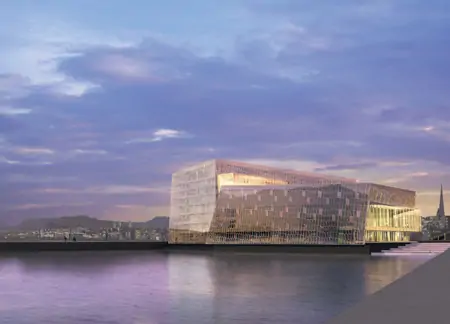
Không gian công cộng luôn là một không gian chính trị, nơi tồn tại sự căng thẳng giữa lợi ích tư nhân và lợi ích công cộng. Nghệ thuật trong không gian công cộng, dù dưới hình thức “nghệ thuật và kiến trúc” – thuật ngữ tiếng Đức Kunst am Bau có lẽ phù hợp hơn – hay dưới dạng những can thiệp tạm thời hoặc lâu dài, đều có vai trò rất quan trọng đối với đời sống đô thị và cách cư dân hiểu về chính thành phố của mình, đồng thời là một phần không thể tách rời của quy hoạch đô thị đương đại.
Phạm vi thực hành nghệ thuật được bao hàm trong khái niệm “public art” rất rộng: từ những tác phẩm được đặt hàng để phản hồi với đặc tính của một địa điểm cụ thể, các tác phẩm được thiết kế như một phần của môi trường kiến trúc, cho đến những thực hành nghệ thuật dựa trên quá trình mà không phụ thuộc vào việc tạo ra các vật thể nghệ thuật. Văn hóa – trong đó nghệ thuật công cộng chỉ là một phần nhỏ – cũng đóng vai trò quan trọng trong việc xây dựng thương hiệu đô thị.
Sự cạnh tranh quốc tế giữa các thành phố ngày nay rất gay gắt và đang chi phối quá trình phát triển đô thị. Đó là cuộc cạnh tranh về sức hấp dẫn, về các nhà đầu tư toàn cầu và khách du lịch. Không nghi ngờ gì, một thương hiệu thành phố mạnh là một công cụ đầy quyền lực để tối đa hóa mức độ nhận diện đối với những phẩm chất của một đô thị. Văn hóa, theo nghĩa rộng nhất, là một trụ cột quan trọng để tham gia thành công vào cuộc cạnh tranh toàn cầu này.
Thậm chí không cần phải nhắc đến trường hợp cực đoan như Dubai, nơi các thành phố được phát triển gần như từ con số không với sự tham gia của những đối tác quốc tế giàu tiềm lực như Louvre và Guggenheim. Nghệ thuật và văn hóa ngày càng chịu ảnh hưởng từ các kiến trúc sư ngôi sao quốc tế cũng như các nghệ sĩ thị giác gắn bó với địa phương; những nhà hòa nhạc và bảo tàng mới xây dựng đang trở thành các biểu tượng kiến trúc mới, công viên và quảng trường trở thành sân khấu cho nhiều loại hình nghệ thuật và trình diễn khác nhau, và tất cả đều là những mắt xích quan trọng đối với đời sống xã hội của cả cư dân lẫn du khách. Nghệ thuật là một công cụ chủ chốt trong việc xây dựng một bản sắc lạc quan, hướng tới tương lai và cởi mở.
Hội thảo quốc tế này hướng tới việc mở ra một cuộc thảo luận bằng cách tập trung vào phát triển đô thị và vai trò của nghệ thuật trong không gian công cộng tại các thành phố cảng. Quá trình phát triển, tư nhân hóa và thay đổi bản sắc của những thành phố hình thành nhờ vị trí ven biển đặt ra những thách thức quan trọng đối với các nhà quy hoạch đô thị cũng như những nghệ sĩ đang sống và làm việc tại đó. Khi các công ty tư nhân và nhà đầu tư ngày càng có nhiều quyền lực hơn trong việc tái định hình cảnh quan đô thị cả về phương diện vật chất lẫn văn hóa, đây đồng thời cũng là một cơ hội quan trọng để các nghệ sĩ suy nghĩ lại về khả năng của chính mình trong việc góp phần định hình không gian công cộng.
Hội thảo khai mạc vào ngày 25 tháng 4 với hai diễn giả chính: Christopher Marcinkoski đến từ Field Operations ở New York, một trong những công ty hàng đầu thế giới về kiến trúc cảnh quan và thiết kế đô thị, và nghệ sĩ Ólafur Elíasson.
Phần thứ hai, diễn ra vào ngày 10 tháng 5, giới thiệu các nghiên cứu trường hợp từ nhiều thành phố khác nhau. Các dự án thiết kế đô thị của Gehl Architects tại Copenhagen và West 8 tại Rotterdam được trình bày. Tổng giám đốc của Hamburg HafenCity, Jürgen Bruns-Berentelg, báo cáo về dự án phát triển quy mô lớn của mình từ góc nhìn quản lý. Vito Acconci, người có thực hành nghệ thuật phát triển từ nghệ thuật liên quan đến cơ thể sang thiết kế và kiến trúc, giới thiệu cách tiếp cận của mình, trong khi Yvonne P. Doderer cùng tập thể nghệ thuật Anh Freee thảo luận về vai trò của nghệ thuật trong không gian công cộng.